BCRC-Caribbean / UNEP · Story 06 / 08
How does a global problem become a local priority?
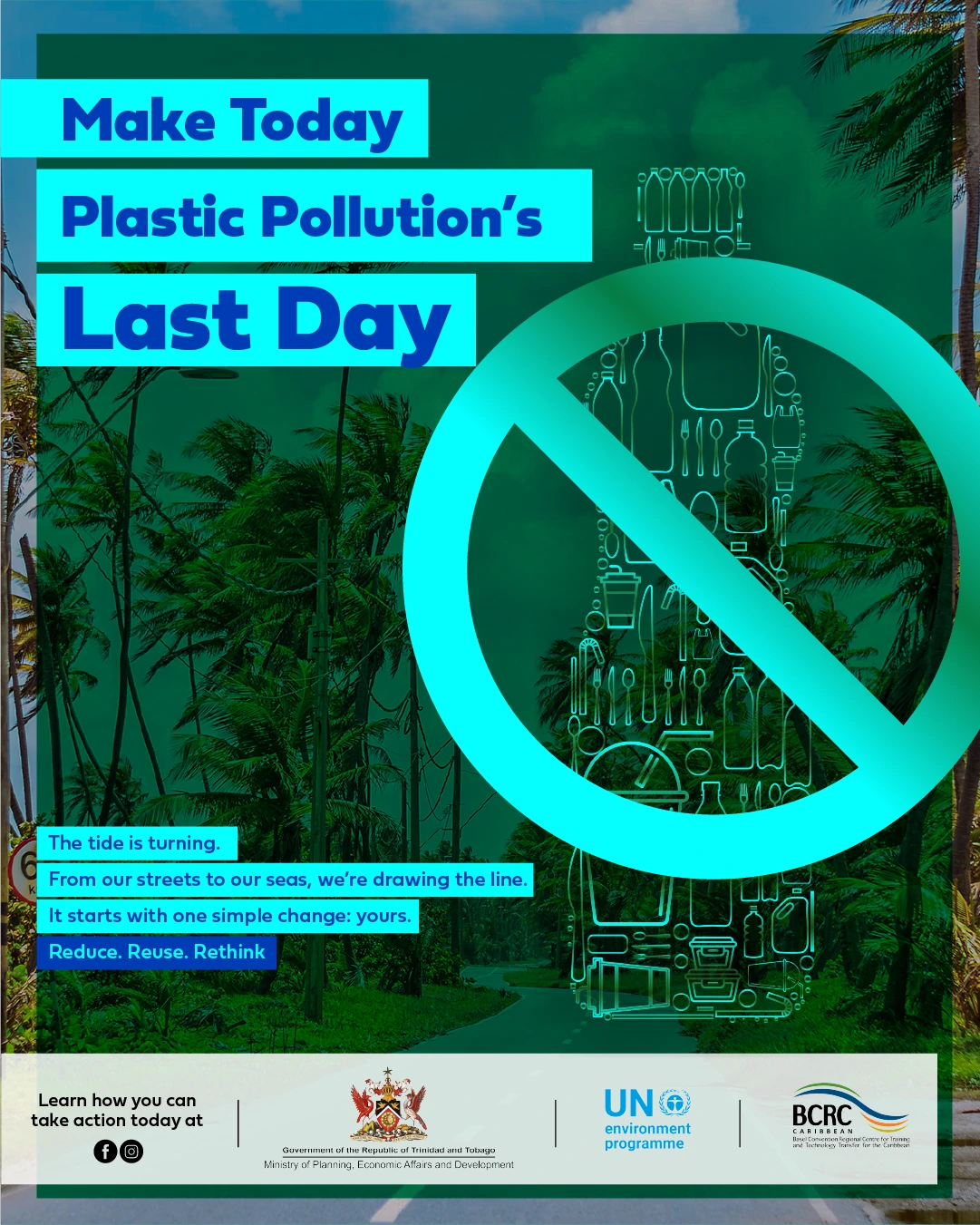
Plastic pollution crosses borders. The reasons people act are often much closer to home.
A national communications strategy and creative campaign connecting a global environmental ambition with the everyday realities of Trinidad and Tobago.
01 / The challenge
A big issue.
A personal reason to care.
A national roadmap can set the direction. Communications has to make that direction meaningful to the people expected to act on it.
The task was to connect the wider ambition with recognisable stakes: the beach a family visits, the waters a fisher depends on, the packaging a business chooses and the habits a child takes home.
Working with BCRC-Caribbean and UNEP, the strategy brought research, audience insight and creative development together around a shared invitation to act.
The question behind the work
What makes someone
care enough to act?
Start with what matters to them. Then give them a practical place to begin.
02 / Local relevance
One campaign.
More than one reason to care.
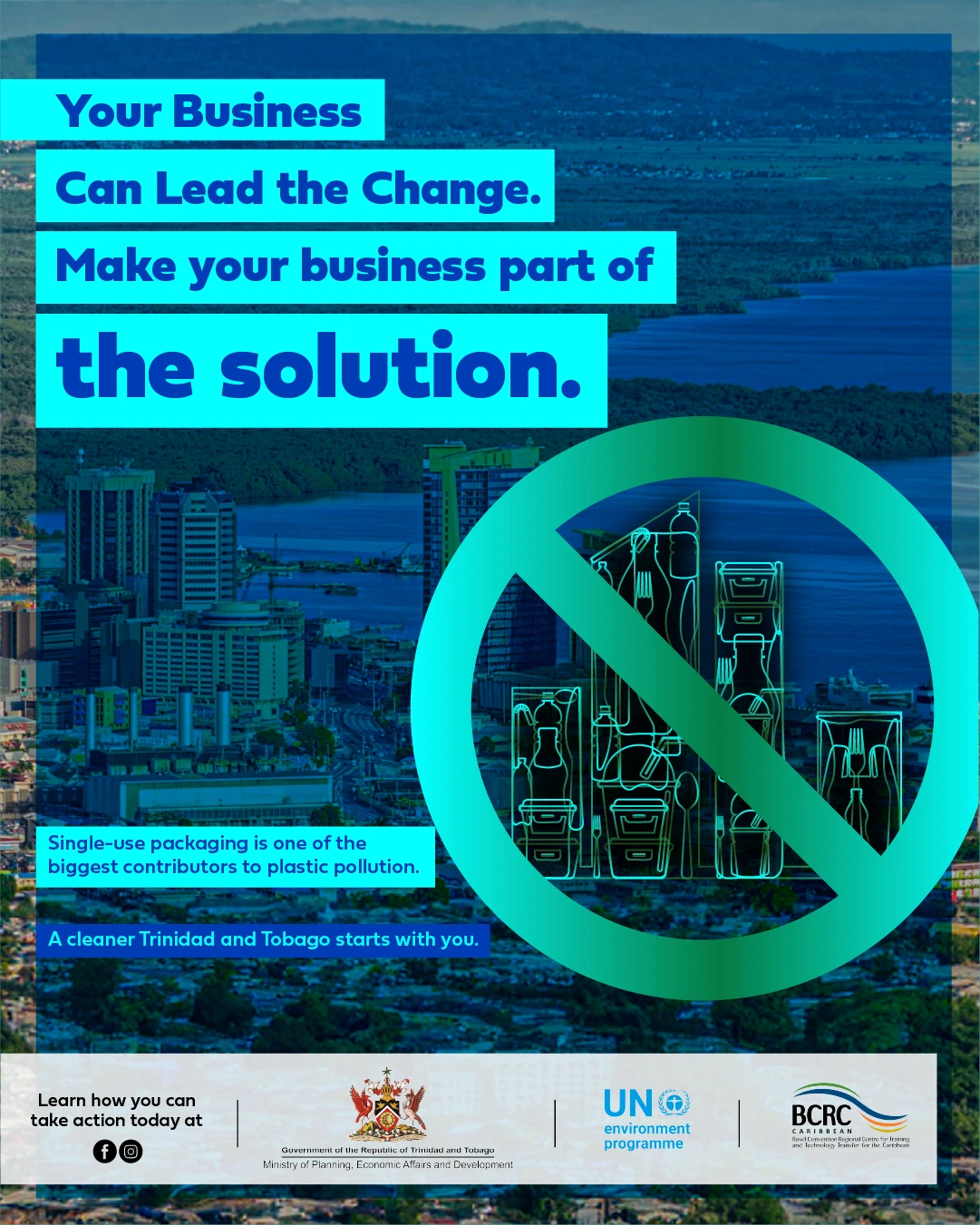
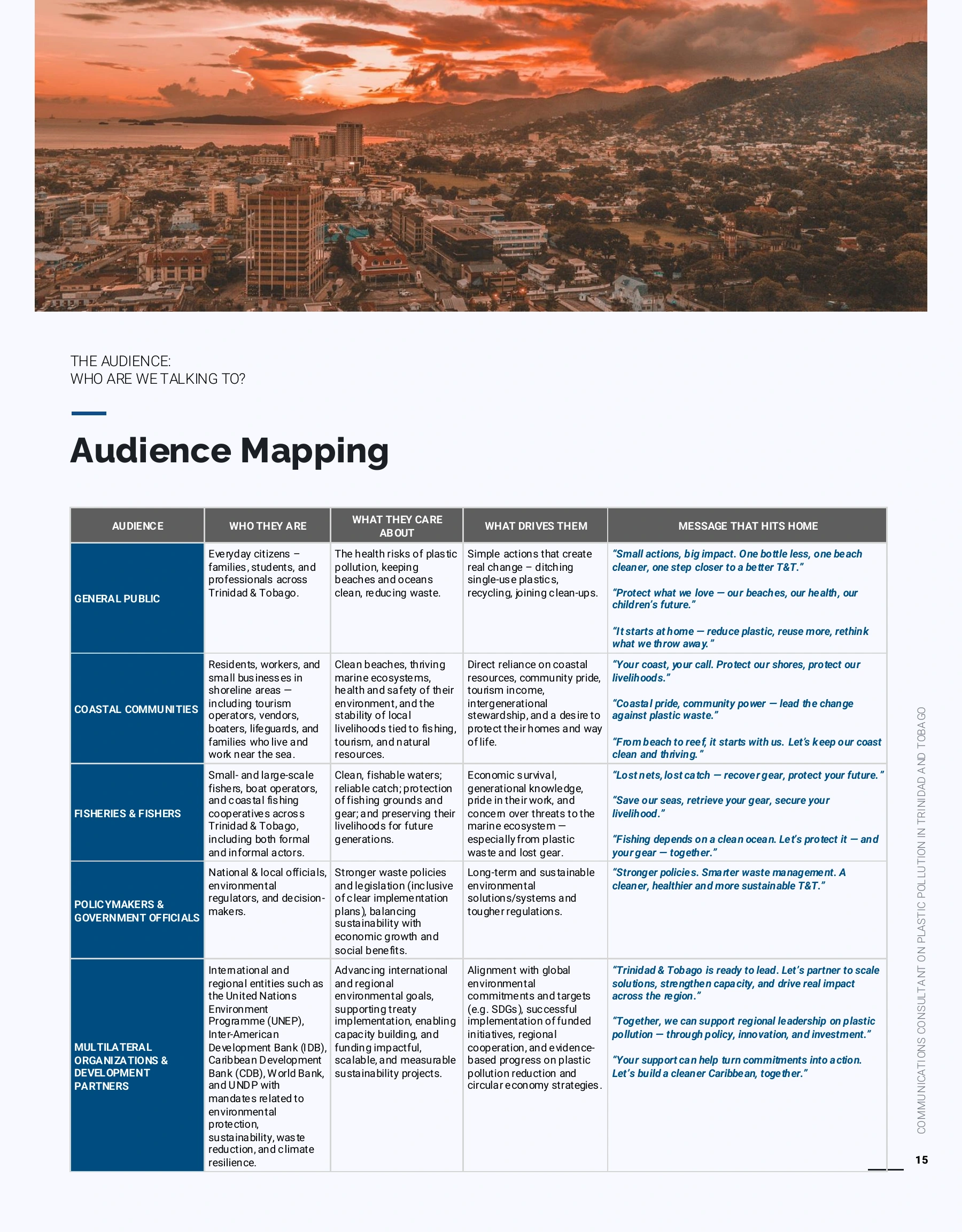
The audience map looked at what different groups value, what motivates them and where a message could reach them. That thinking shaped distinct invitations for households, businesses, young people and coastal communities.
Inside the strategy: the audience map
A message that hits home.
The communications strategy connects each audience with a motivation, a message and a route to engagement. Community meetings, schools, radio and WhatsApp sit alongside social content and direct stakeholder conversations.
Selected page from the communications strategy, April 2025.
03 / A story people can follow
A roadmap.
Made readable.
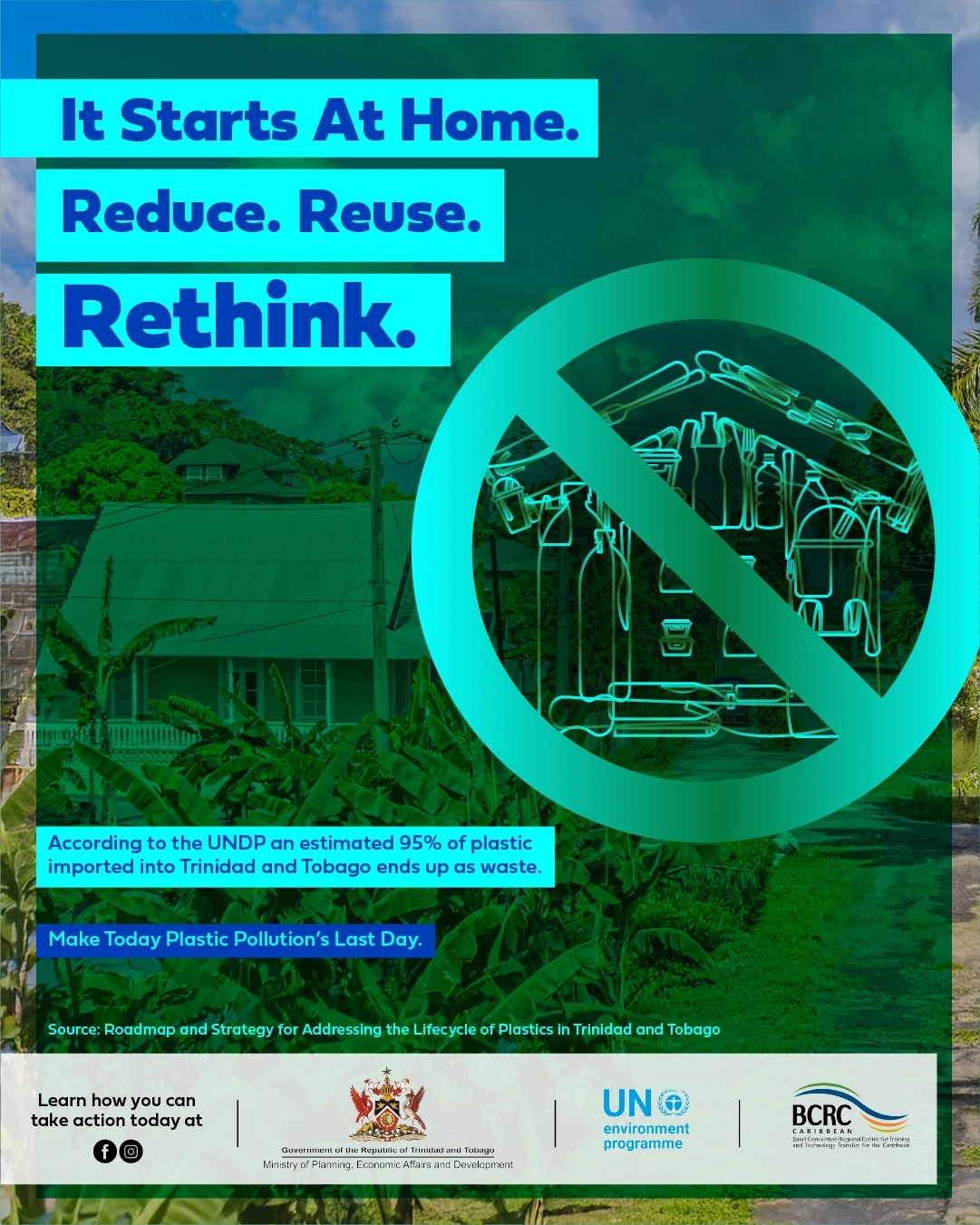
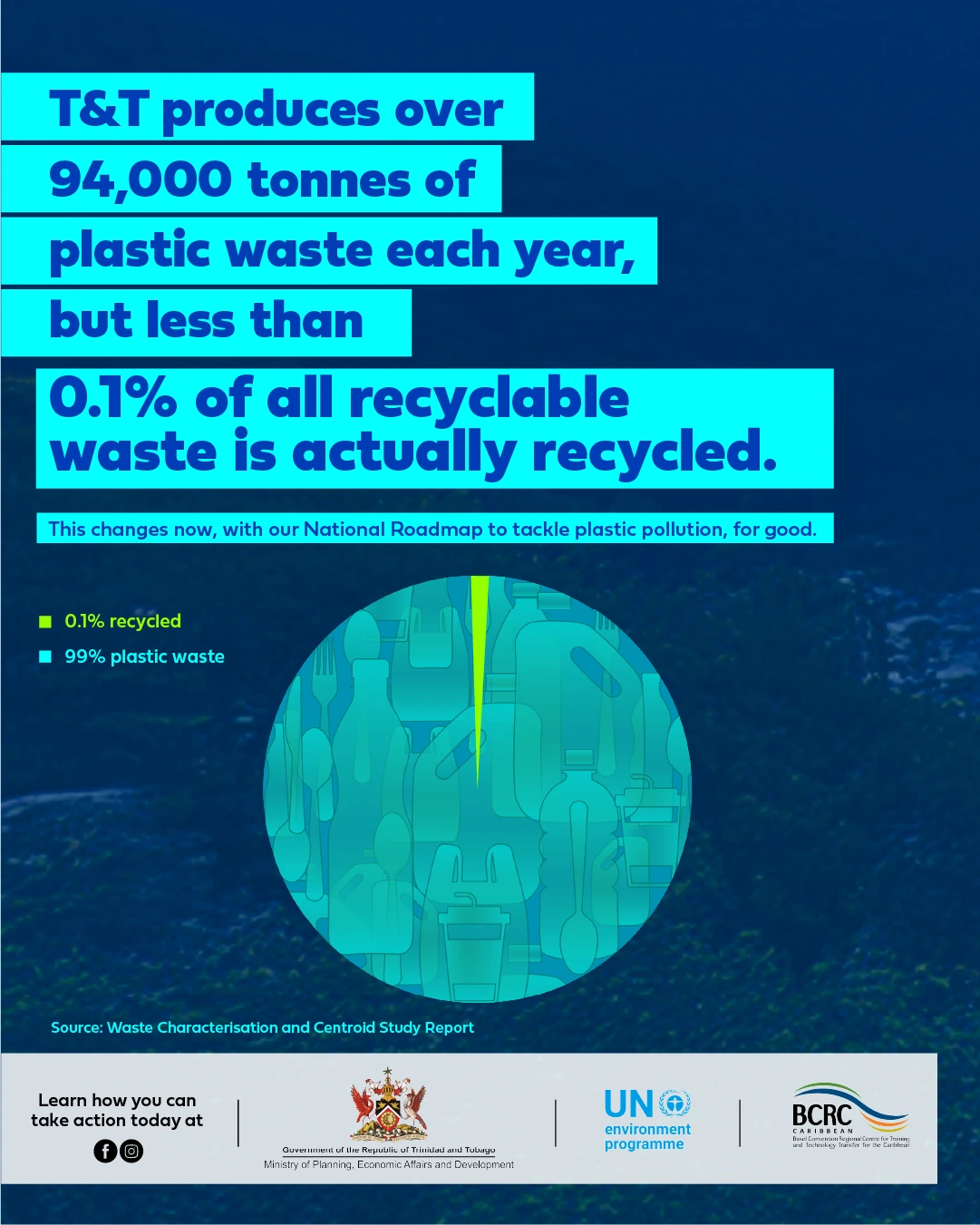
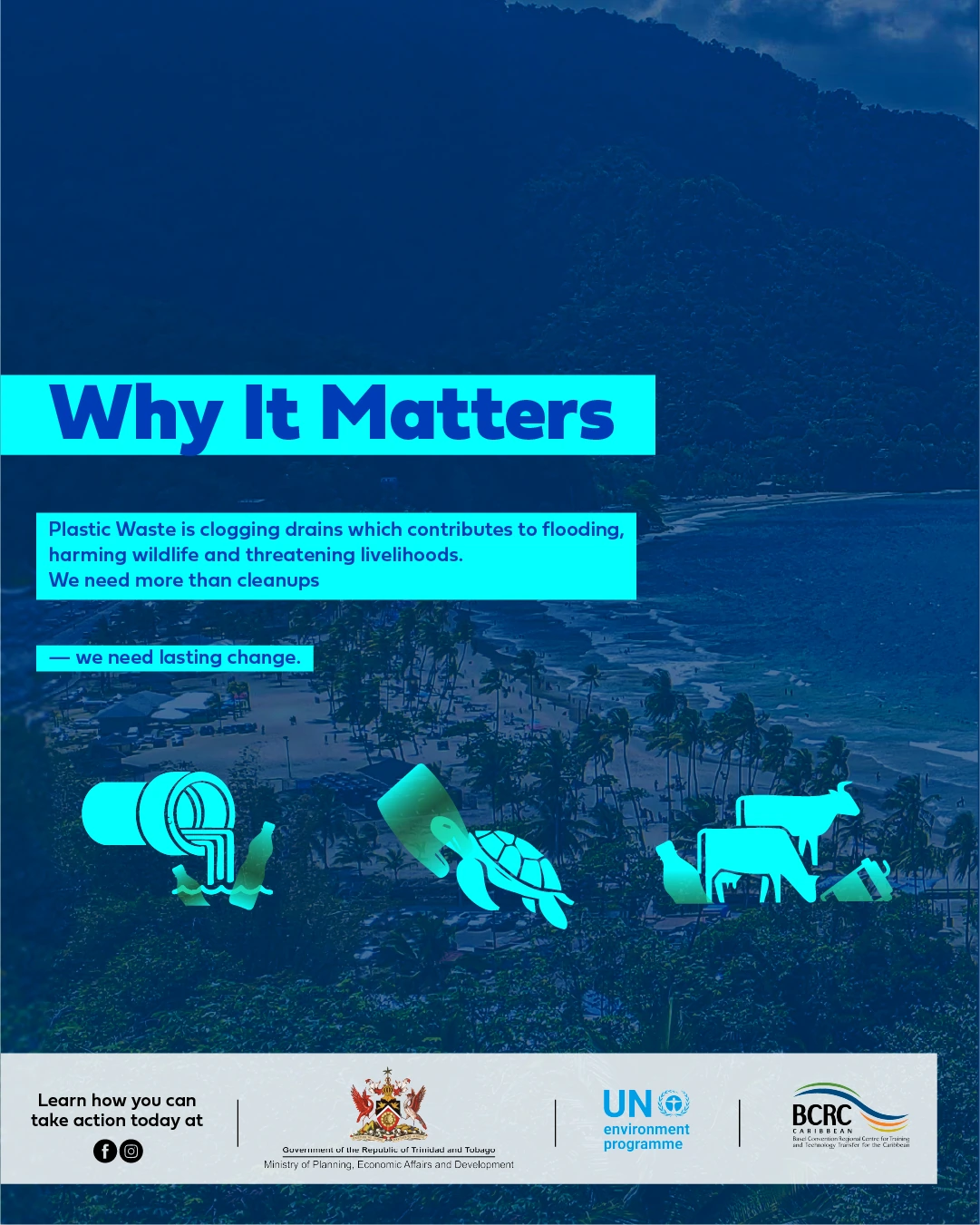
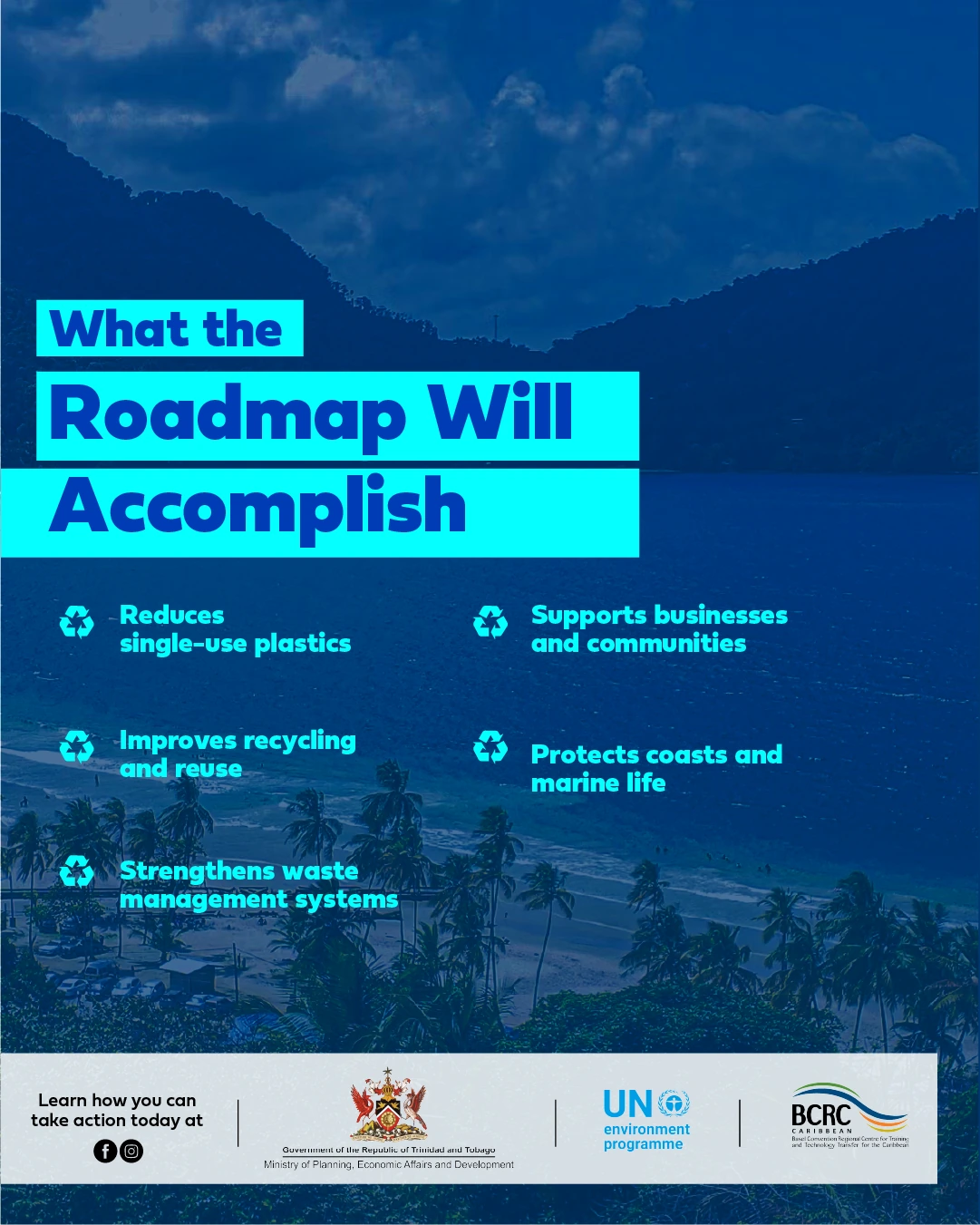
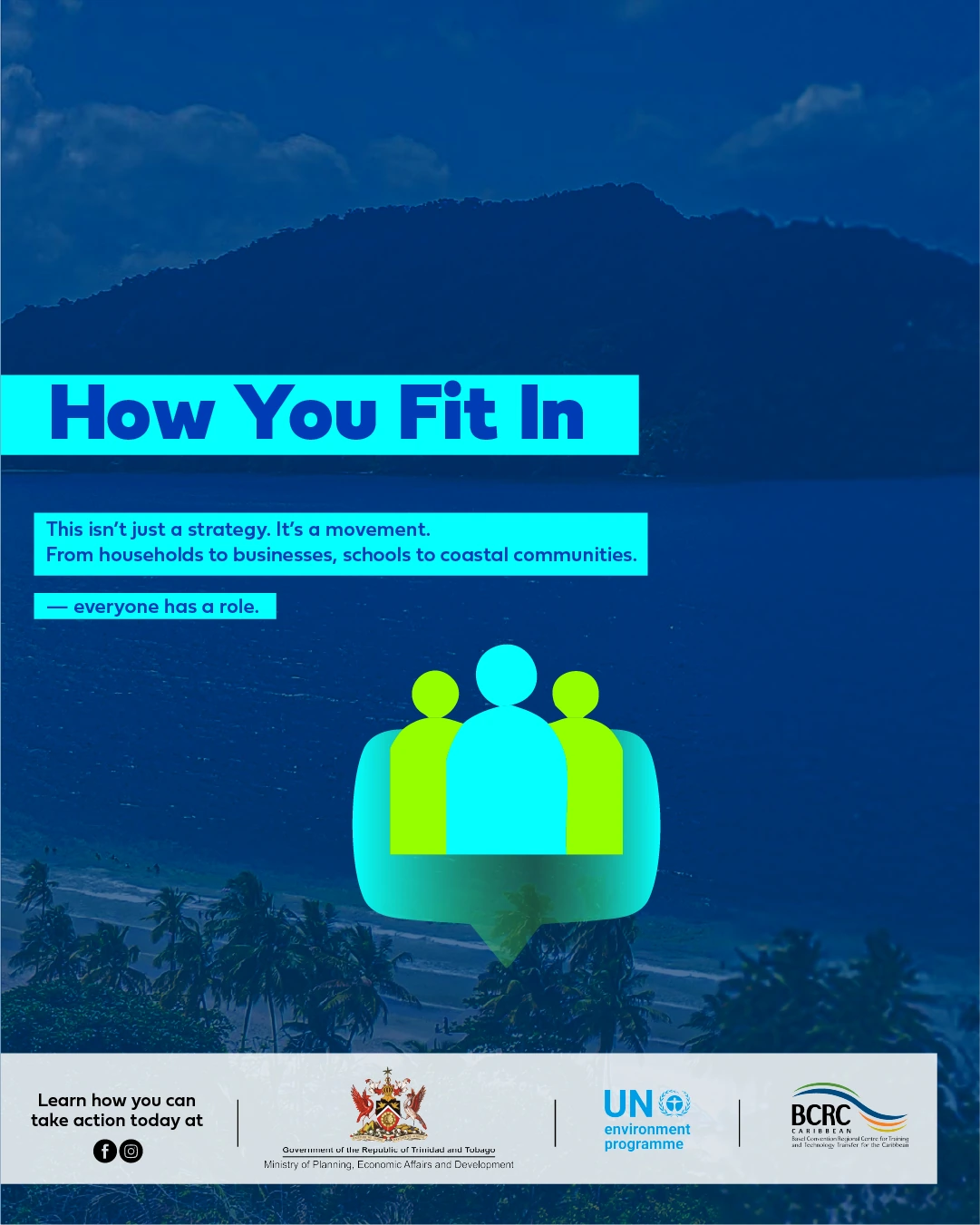
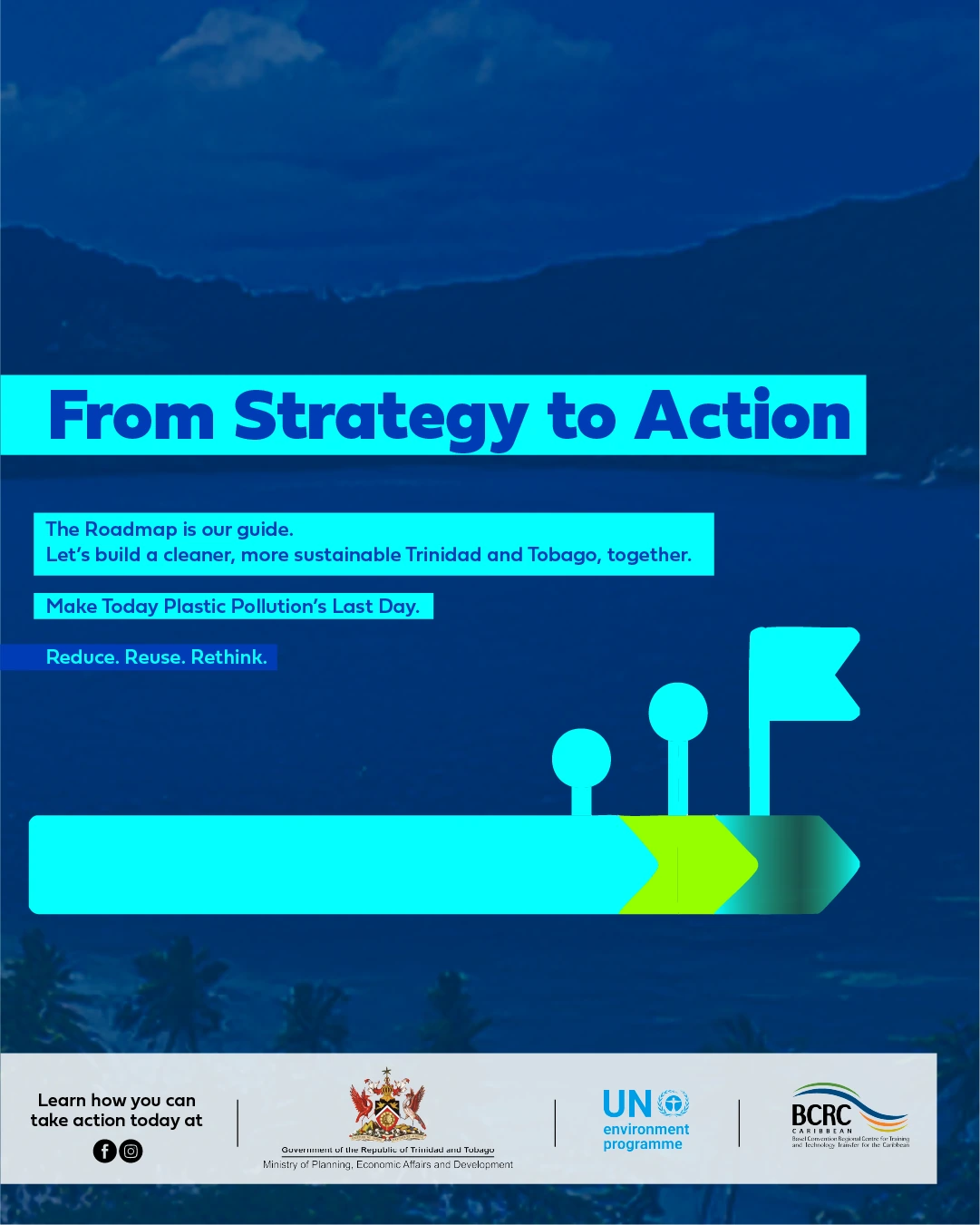
Five connected slides move from the scale of the issue to the part each audience can play. The sequence gives a complex national strategy a clear beginning, a reason to matter and an invitation to act.
- The scale of the problem
- Why it matters
- What the roadmap will accomplish
- How you fit in
- From strategy to action
Swipe through the five-part carousel.
04 / The message in motion
Big issue.
Everyday moments.
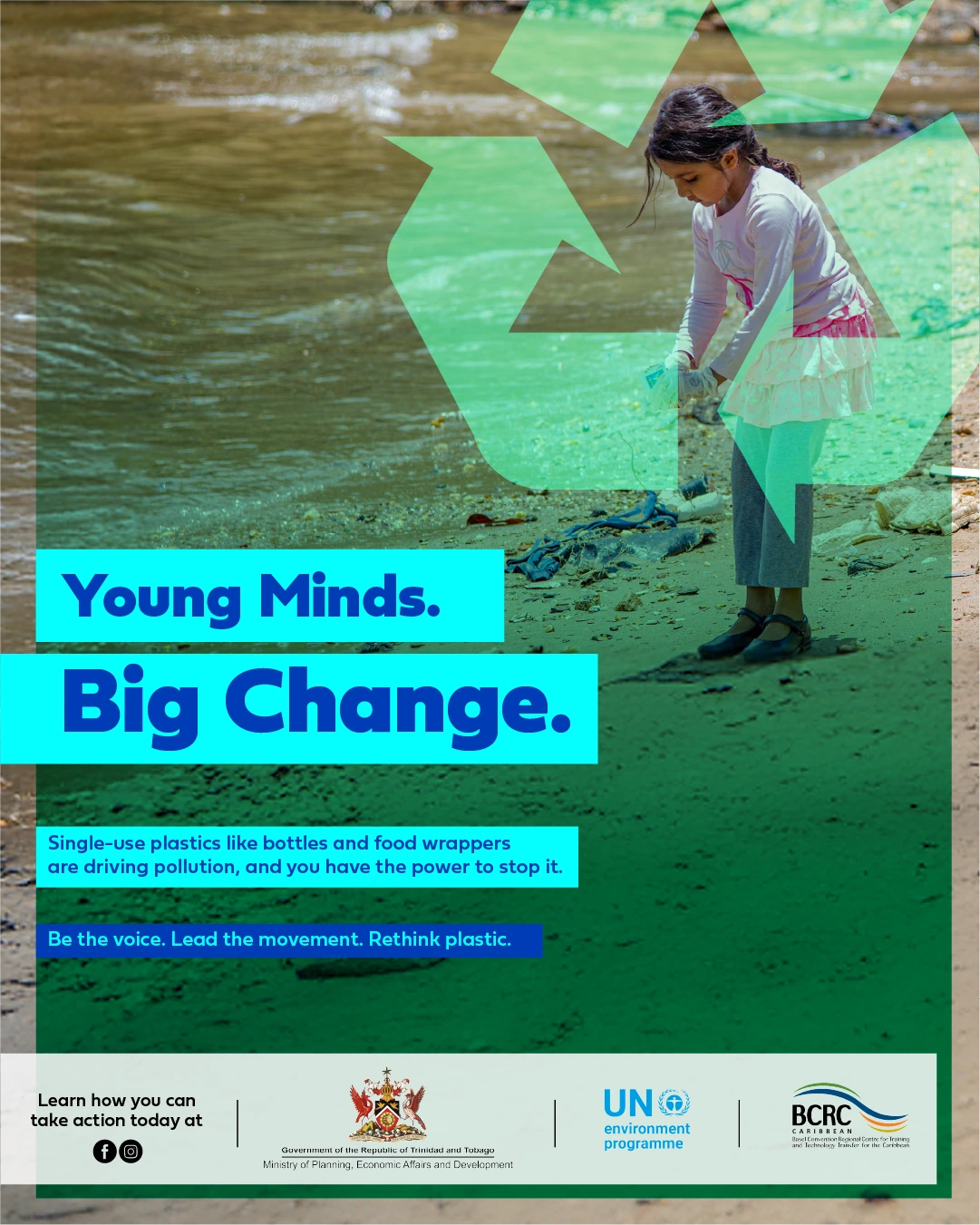
A coffee cup. A takeaway lunch. A discarded net. Four films make the issue tangible, then point towards a practical next step.
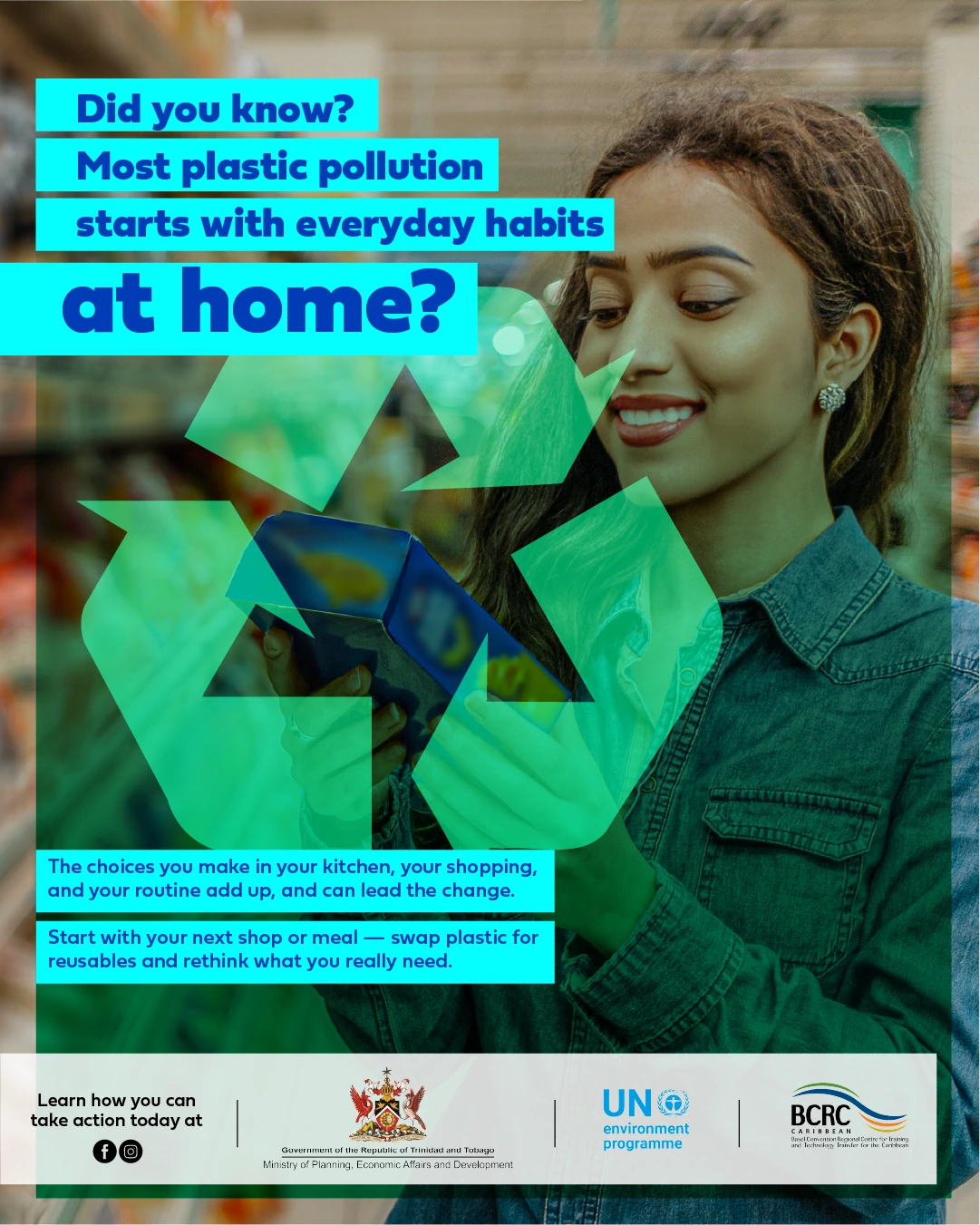
A familiar symbol becomes the starting point for a conversation about recycling and reuse.
The scale of the problem leads to a simple invitation: choose reusable and rethink everyday habits.
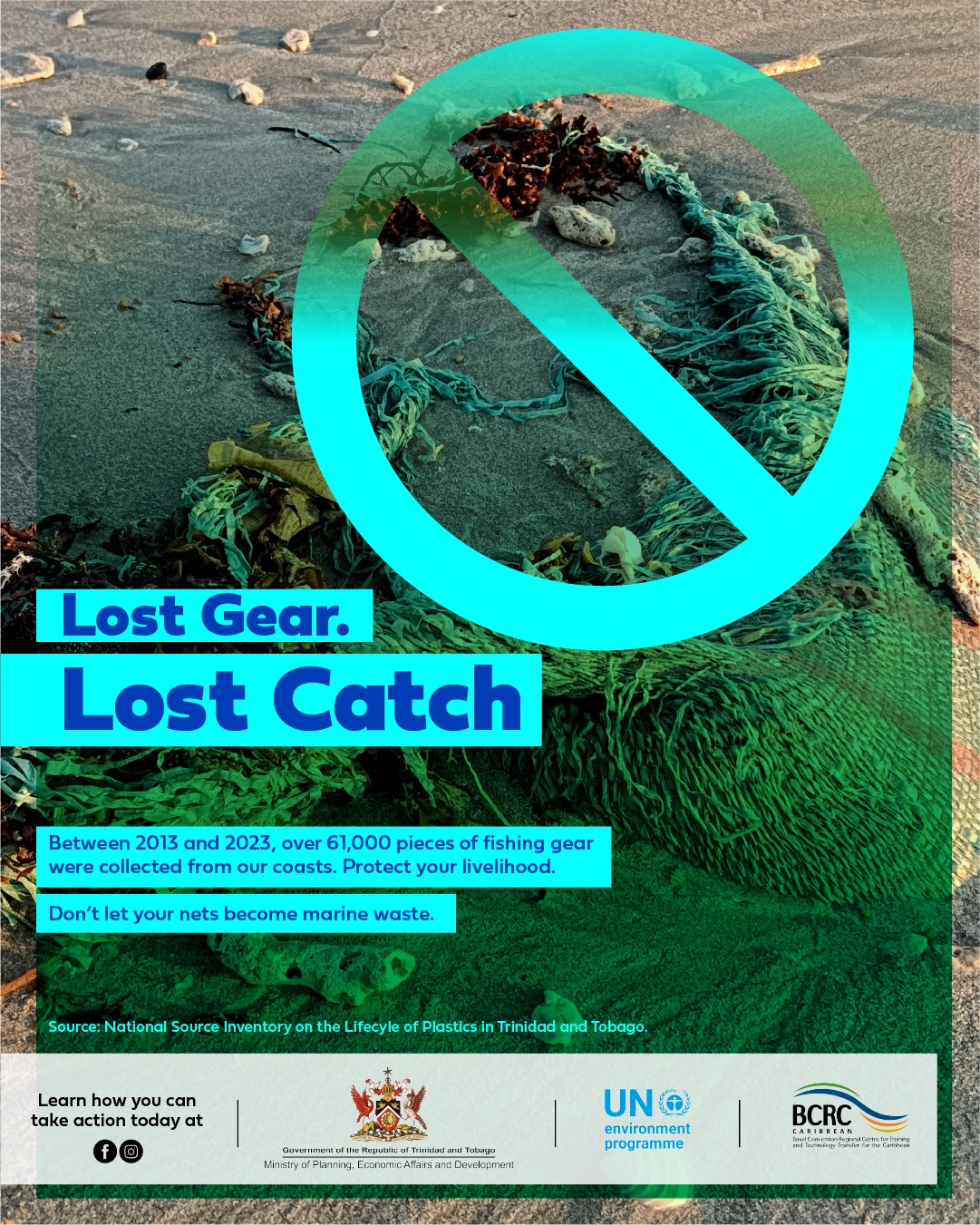
Discarded fishing gear connects marine pollution with the livelihoods that depend on the sea.
05 / The marine story
The coast is more
than a coastline.
It’s a livelihood.
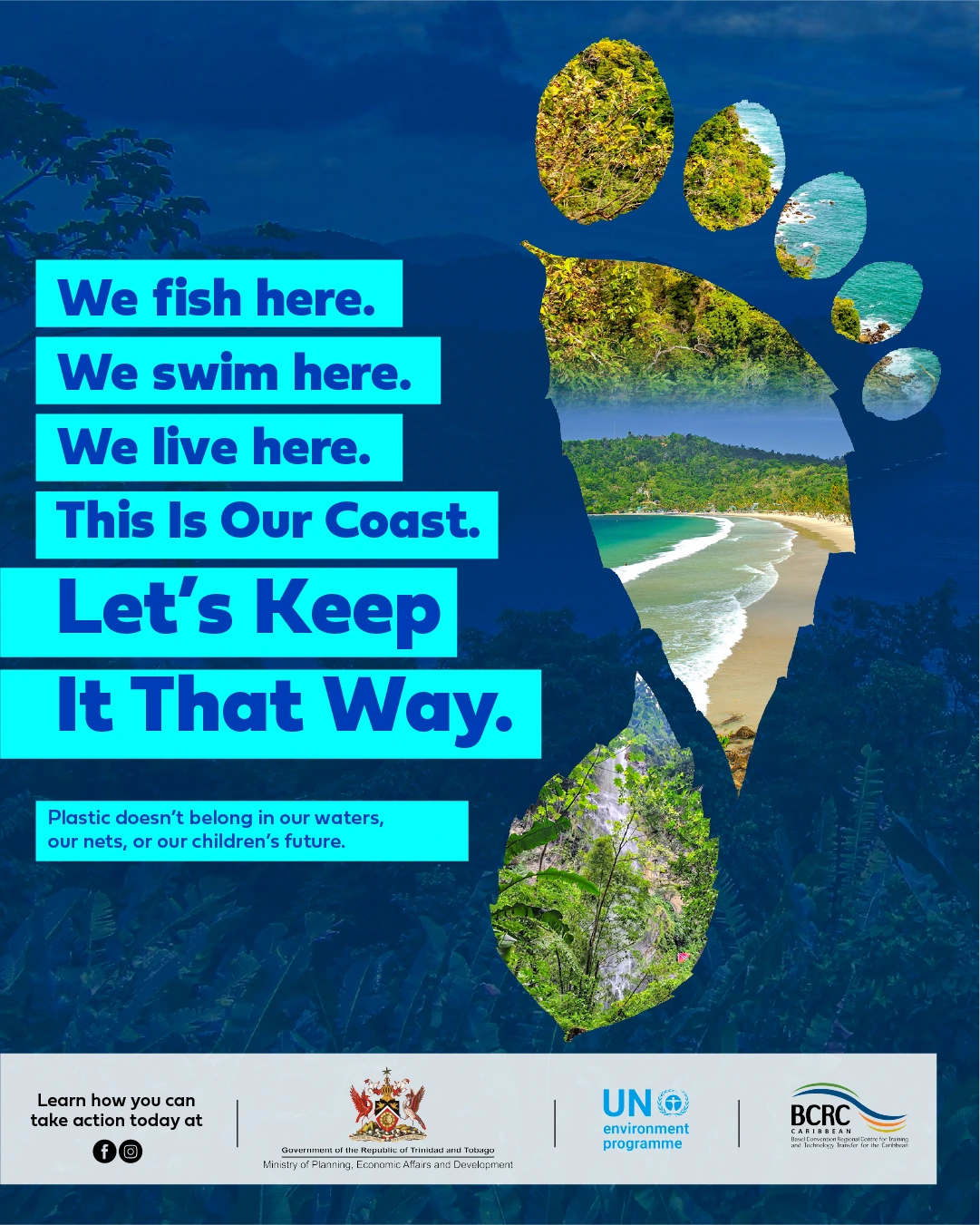
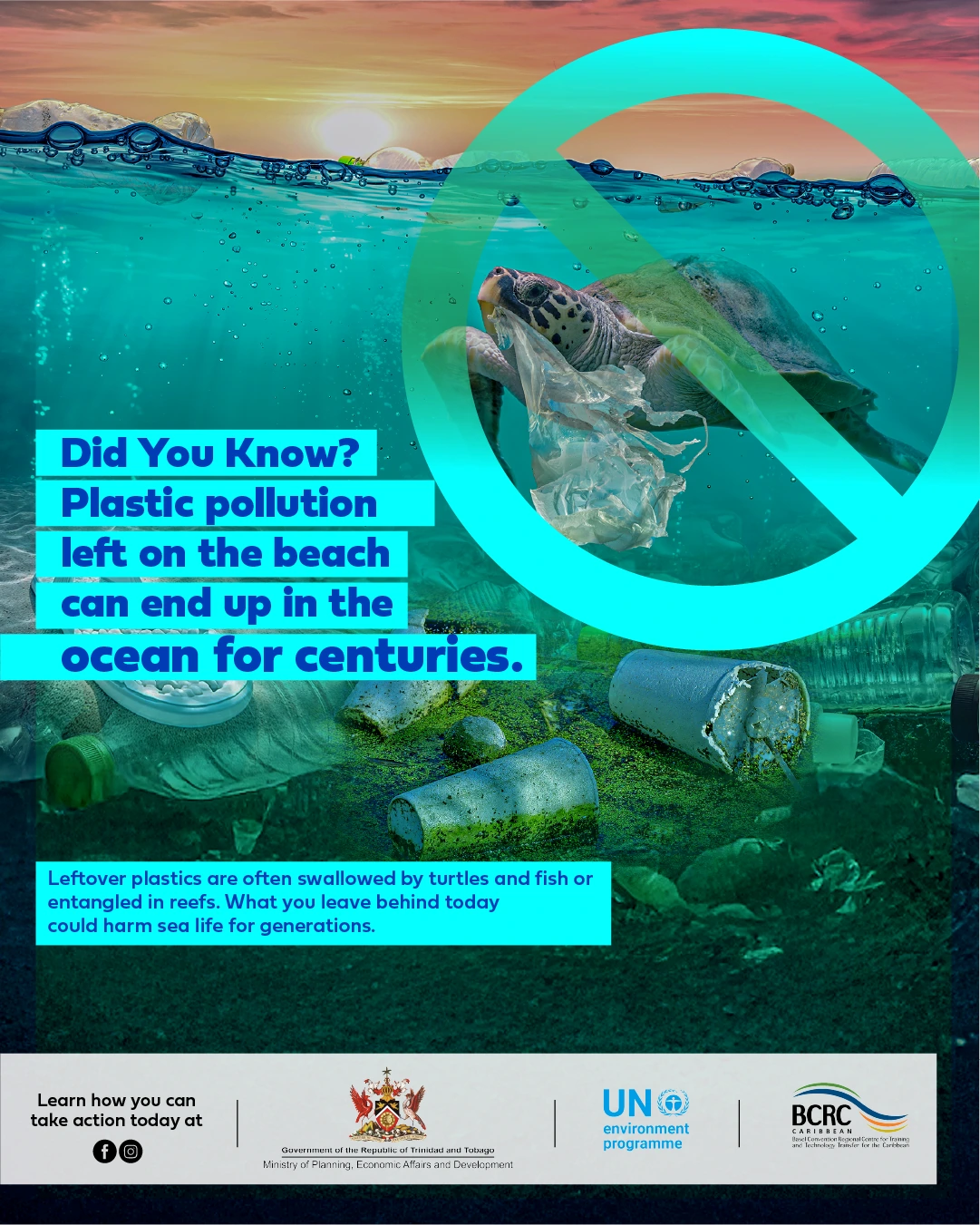
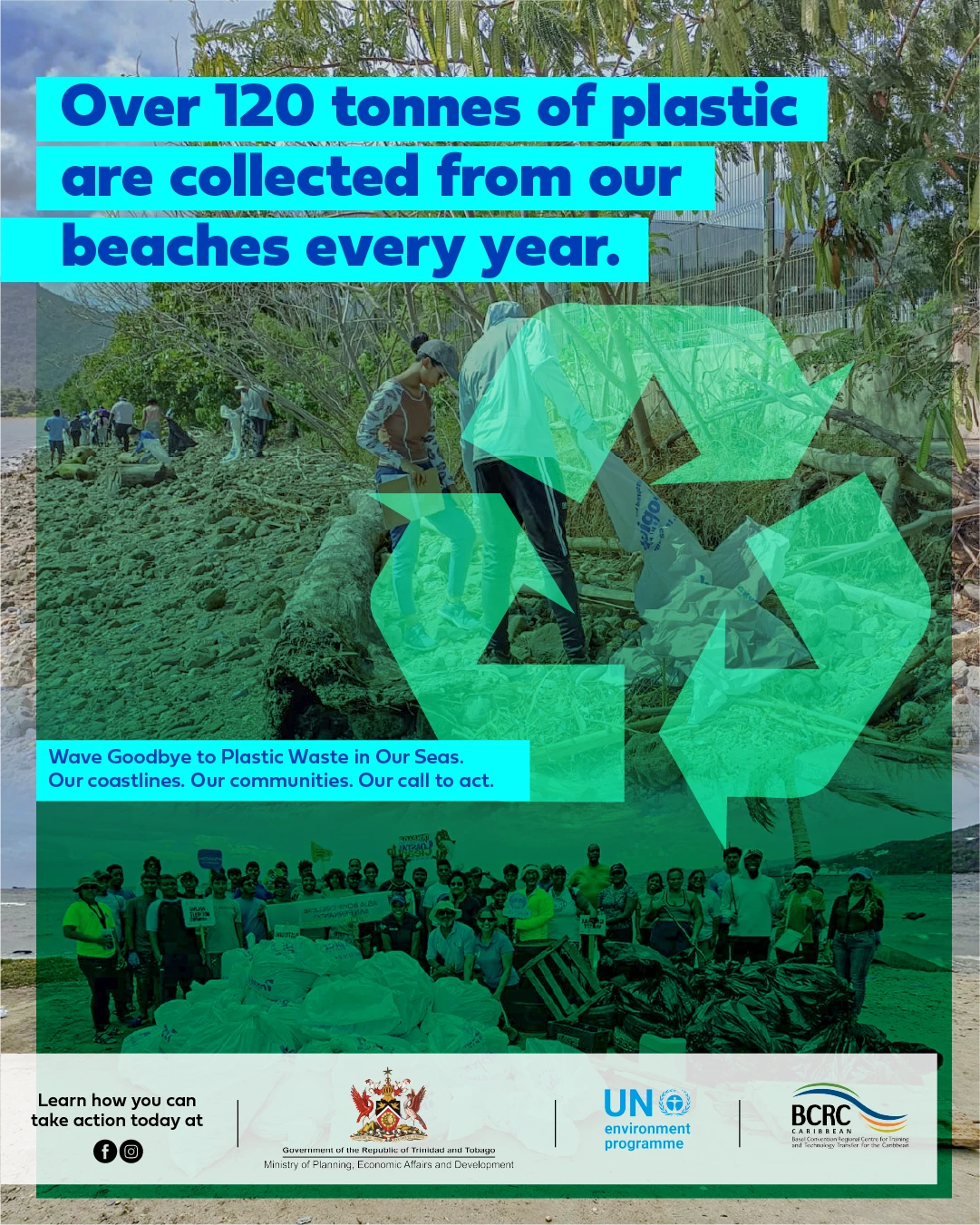
“Wave Goodbye to Plastic Waste in Our Seas” gives the wider campaign a marine focus. The messages connect environmental protection with fishing, community pride and the places people call home.
Same ambition. A different reason to care.
06 / The work plan
Attention is a beginning.
What happens next?
The three-year work plan connects awareness, participation and advocacy. Each phase builds on the previous one, keeping everyday choices linked to the wider responsibility of businesses, communities and policymakers.
- Year 01 / Awareness
Make it
understood.Explain the issue through accessible content, local examples and practical alternatives.
- Year 02 / Engagement
Make it
something to do.Build participation through community activity, school and business partnerships, and achievable habits.
- Year 03 / Advocacy
Make it
part of the system.Connect public action with business responsibility, stronger policy and sustained community involvement.
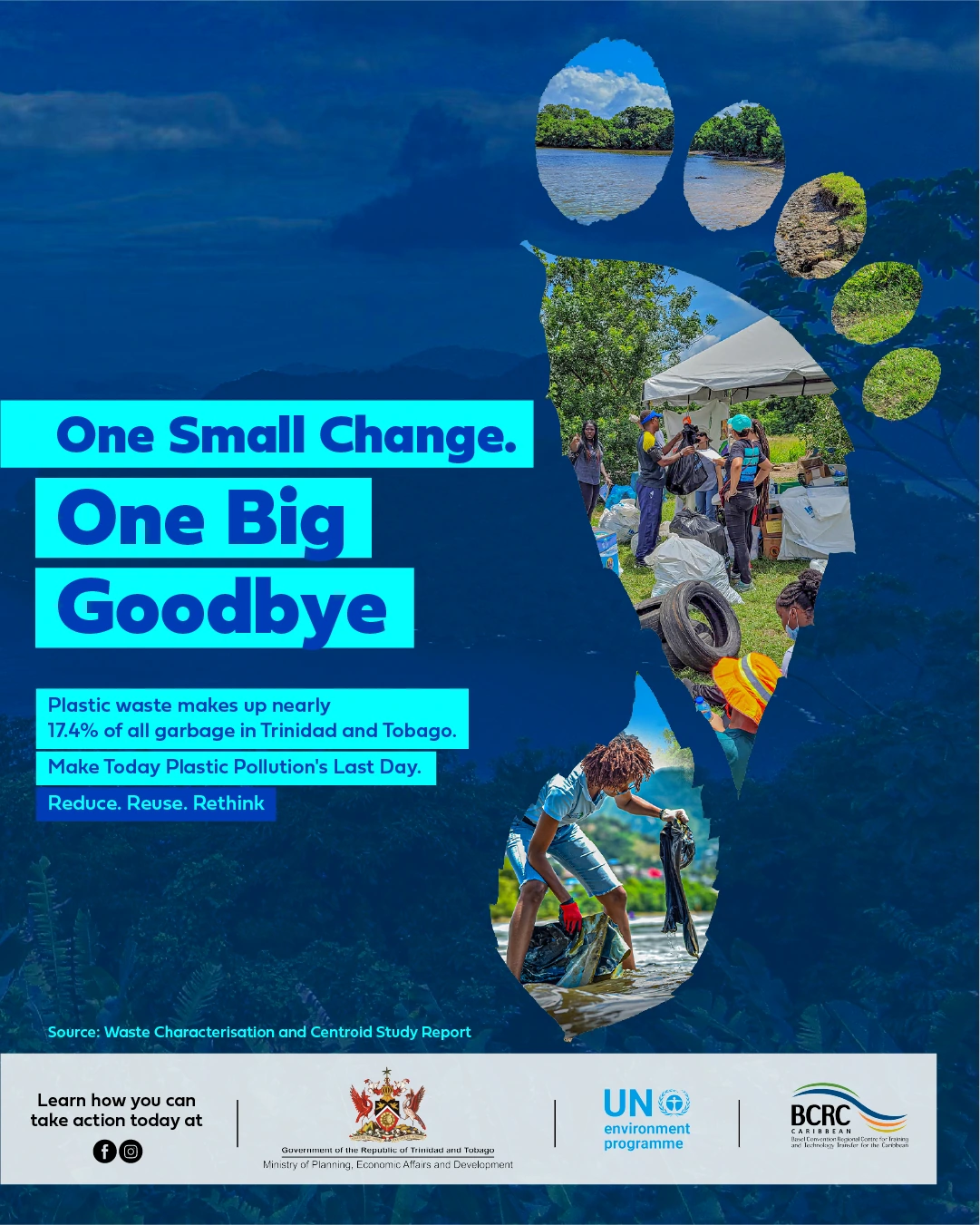
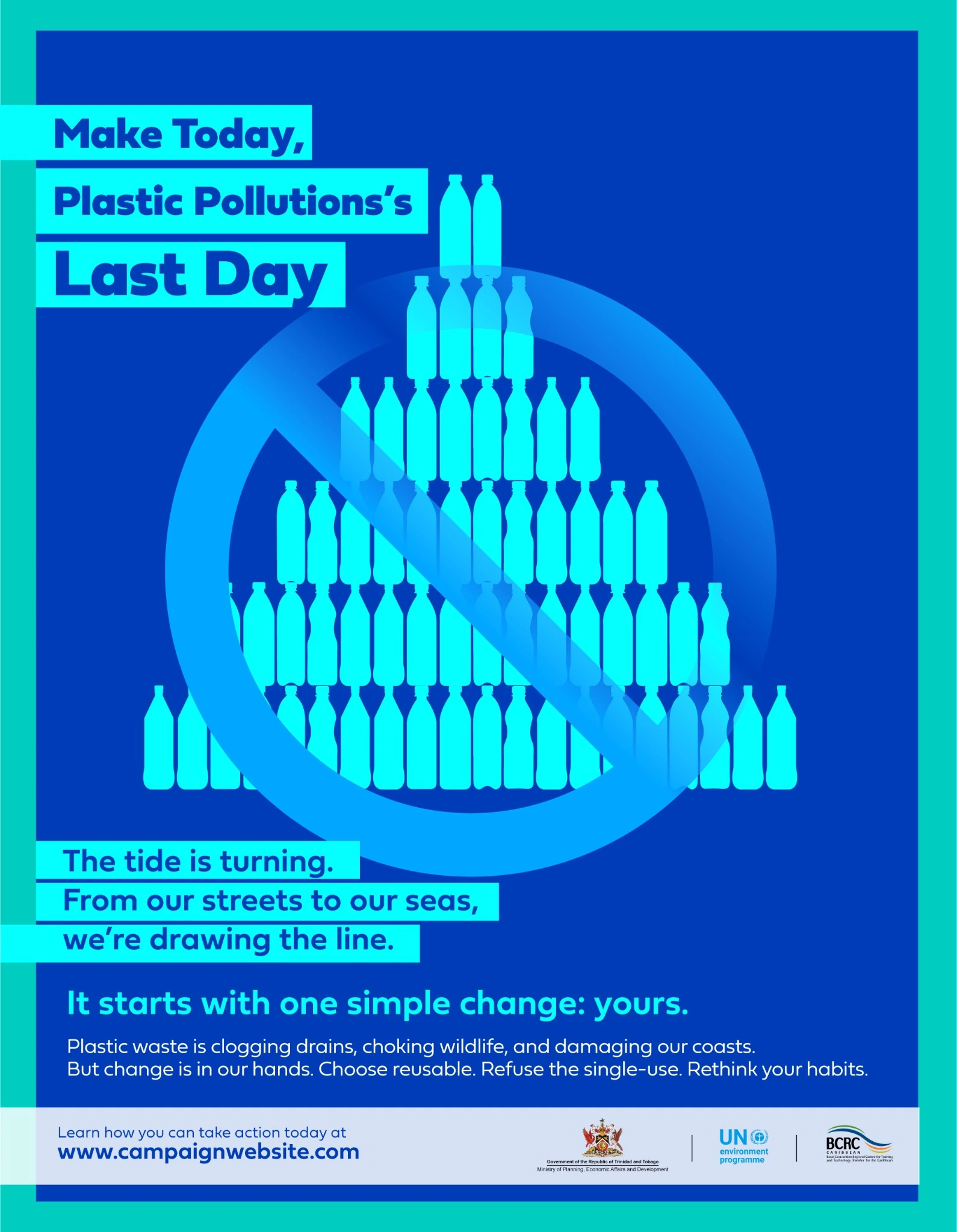
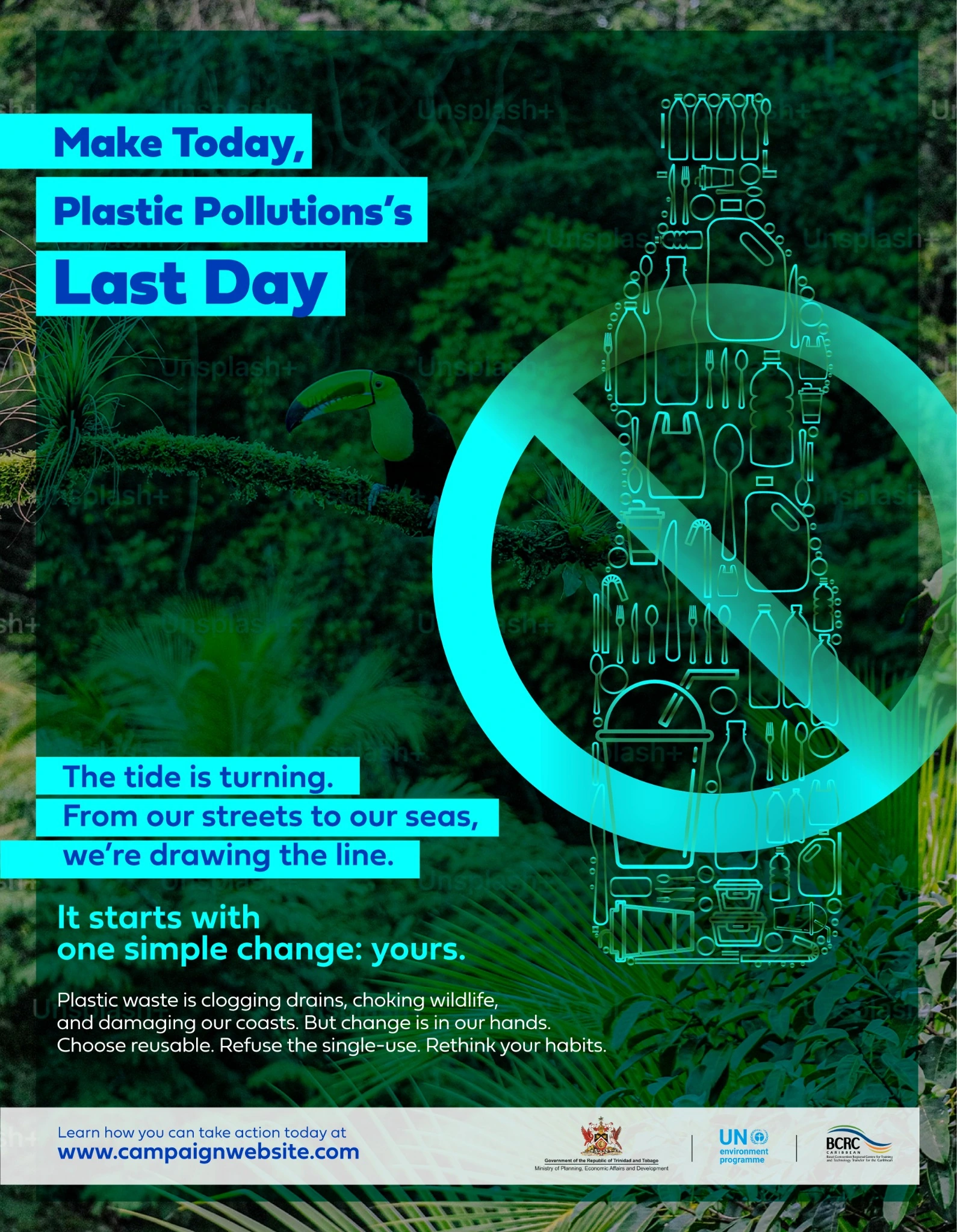
More campaign artwork5 pieces
How the idea travels
Some ideas travel
by coming closer.
The journey here runs from global ambition to local meaning. A shared message becomes relevant through the things different people already care about.
The work brings that thinking together in a communications strategy, an audience-led campaign and a plan that connects individual choices with collective responsibility.
Communications strategy and campaign development by Sophie Charles-Barber, for BCRC-Caribbean / UNEP and the Government of Trinidad and Tobago.
A project. A new chapter. A conversation.
What could we
build next?
A brand ready for its next chapter. A business with bigger ambitions. A team looking for creative and marketing leadership.